Introduction
In an age where wellness emergencies can strike at any moment, the capacity to carry out CPR (Cardiopulmonary Resuscitation) is indispensable. Whether you are a moms and dad, teacher, healthcare specialist, or simply a person that intends to be prepared, registering in a top quality CPR course can make all the distinction. However what makes a wonderful CPR course? Insights from neighborhood teachers expose that numerous crucial elements contribute to effective training. This short article will dive into those components and give insights based on the experiences of local instructors across numerous regions.
What Makes a Wonderful Mouth-to-mouth Resuscitation Course?
A fantastic CPR course is not practically learning just how to execute chest compressions and rescue breaths. It incorporates a range of elements that improve the discovering experience and make sure participants feel great in their skills. Right here are some important components:
1. Quality Instruction
The foundation of any kind of effective CPR course is its teacher. An experienced and skilled instructor can develop an engaging knowing atmosphere that promotes understanding and skill proficiency.
1.1 The Duty of Experience
Instructors with hands-on experience in emergency circumstances bring real-world understandings right into their training. Their personal tales and stories assist illustrate the value of each skill discovered throughout the course.
1.2 Teaching Design Matters
Instructors that use different training methods-- like demonstrations, hands-on technique, and multimedia presentations-- can satisfy different knowing styles, ensuring that everybody grasps the material.
2. Comprehensive Curriculum
A well-structured curriculum is vital for covering all necessary elements of CPR and first aid training.
2.1 Important Topics Covered
A terrific CPR course should cover:
- Adult CPR Pediatric CPR Choking alleviation techniques Use of an Automated External Defibrillator (AED) First Help basics
2.2 Incorporation of Advanced Techniques
Courses that also touch on advanced techniques-- like just how to deal with specific emergency situations-- are especially useful for professionals like child care service providers or health care workers.

3. Hands-On Practice
Theory alone isn't sufficient; practical application strengthens learning.
3.1 Skill Stations
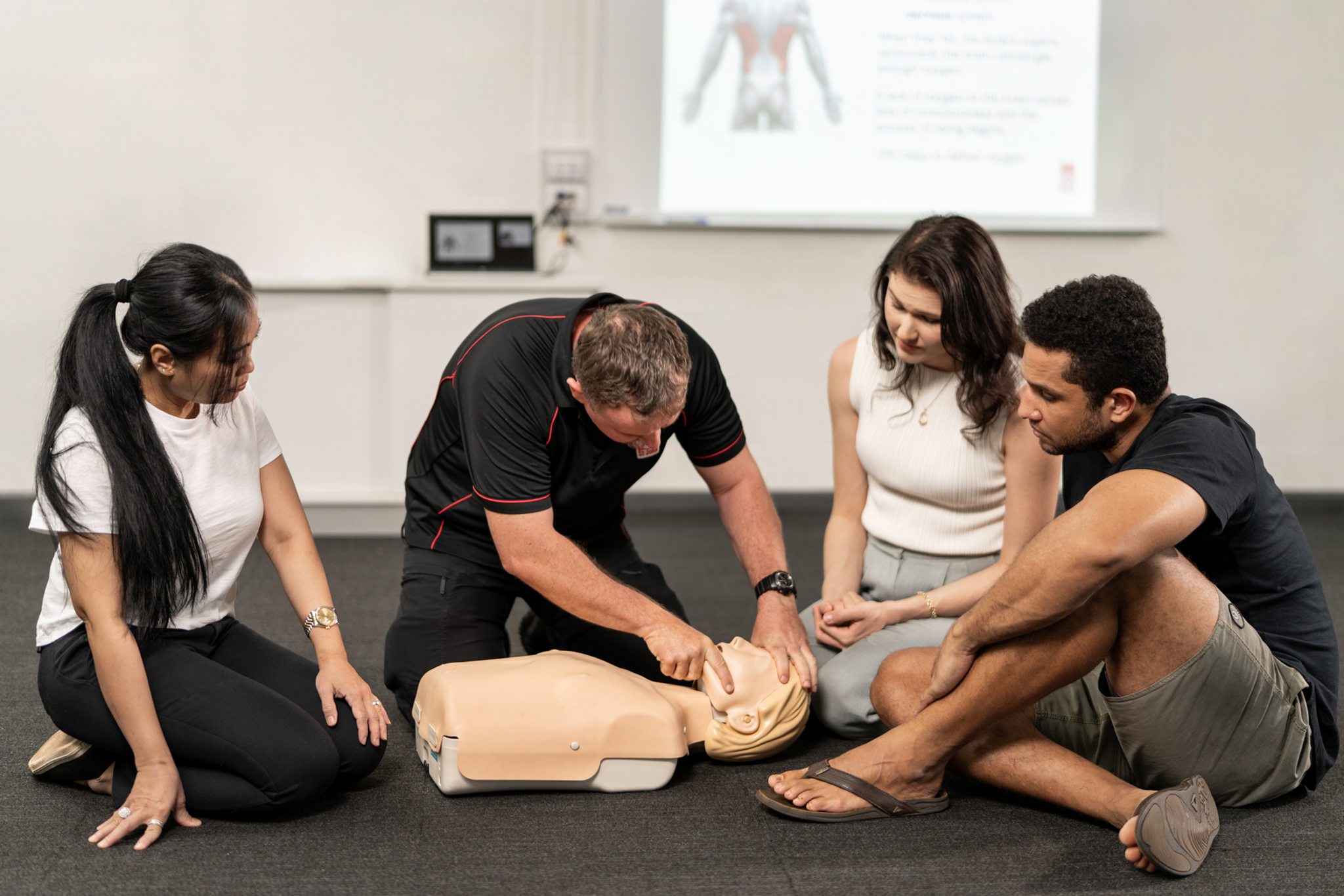
Incorporating ability stations enables students to exercise strategies repetitively under supervision, which constructs self-confidence prior to they experience real-life situations.
3.2 Simulation Scenarios
Simulated emergencies provide learners with a possibility to apply their abilities in high-pressure scenarios, mirroring what they could deal with outside the classroom.
4. Certification Identified by Authorities
Recognition from respectable organizations makes sure that grads have fulfilled market standards.
4.1 Across the country Identified Certifications
Courses that use accreditations certified by identified bodies (like the American Heart Organization or Red Cross) lug weight in expert settings.
5. Ongoing Support and Resources
After completing the program, proceeded access to sources improves retention and encourages ongoing learning.
5.1 Accessibility to Online Materials
Providing on the internet sources for evaluation aids students revitalize their expertise when needed.
5.2 Follow-up Workshops
Offering follow-up workshops or refresher courses maintains abilities sharp and updated with present guidelines.
6. Adaptable Scheduling Options
For lots of individuals, finding time for training can be challenging.
6.1 Availability of Classes Nearby
Having alternatives like "CPR Course Near Me" or CPR Training "Emergency Treatment Courses Near Me" makes it easier for people to register without considerable travel commitments.
6.2 Online Discovering Opportunities
Some courses offer hybrid designs where individuals can finish theoretical parts online prior to attending hands-on sessions personally, fitting differing schedules.

Importance of Childcare Emergency Treatment Course Training
For those working in day care settings, specialized training is essential as a result of unique difficulties provided by children's composition and psychology.
7. Recognizing Child-Specific Emergencies
Children deal with various risks contrasted to adults; consequently, customized guideline is important for caregivers.
8. Practical Application in Day Care Settings
Training needs to consist of technique situations appropriate to day care settings-- as an example, recognizing signs of choking versus adult procedures.
FAQs
1. What should I search for when looking for "Child Care Emergency Treatment Course Near Me"?
When searching for an ideal course close by, think about examining instructor qualifications, educational program comprehensiveness, class accessibility, and assesses from previous participants.
2. How long does it usually take to finish a mouth-to-mouth resuscitation Course?
Most basic mouth-to-mouth resuscitation training courses range from 4-8 hours depending upon whether it's a combined layout or entirely hands-on guideline; sophisticated courses might take longer as a result of added content coverage.
3. Will certainly I obtain accreditation after finishing my mouth-to-mouth resuscitation training?
Yes! The majority of reputable training courses will provide certificates upon successful conclusion that are typically valid for two years prior to needing revival or retraining.
4. Are there age restrictions for taking a Day care Emergency Treatment Training?
Typically no; however, several programs advise individuals go to least 12 years of ages because of physical needs involved in doing mouth-to-mouth resuscitation efficiently on different age consisting of infants and youngsters as part of their curriculum focus areas like "hltaid012 Day care First Aid Training".
5. Can I locate online options for First Aid Courses near me?
Absolutely! Several organizations now offer virtual styles satisfying both theory demands while making it possible for hands-on assessment by means of live-streaming or taped sessions complied with by sensible analyses at marked centers adhering to completion requirements set forth nationally acknowledged requirements bodies such as HLTAID011 First Aid Course Nationally Recognized Training (NRT).
6 What makes HLTAID009 CPR Course distinctive from various other first aid training programs?
HLTAID009 particularly focuses solely on cardiopulmonary resuscitation techniques which include adult & & pediatric care procedures along with AED use without incorporating extra emergency treatment topics covered under other components such as HLTAID011 which covers more comprehensive first aid principles past immediate heart response measures.
Conclusion
Choosing the ideal CPR course HLTAID012 Child Care First Aid education can be overwhelming offered the myriad alternatives available today-- from regional offerings classified "CPR Courses Near Me"to specialized workshops like "hltaid012 Child Care First Aid Courses Near Me." However, understanding what makes up excellence in these training programs empowers you as a notified individual ready to tackle real-life emergency situations confidently!
By concentrating on seasoned instructors supplying thorough educational programs with interactive techniques while offering identified qualifications along with ongoing support possibilities-- you'll be well-prepared not only skillfully however directly too! Embrace this opportunity-- it might conserve a life!
This short article functions as your comprehensive guide towards recognizing what absolutely makes a phenomenal training program within today's academic landscape bordering important lifesaving abilities including Cardiopulmonary Resuscitation (MOUTH-TO-MOUTH RESUSCITATION), assisting make sure both safety & & preparedness amongst community members everywhere no matter if they're moms and dads looking after children's well-being or experts running within even more requiring healthcare environments!